What If You Win the Lottery? The Tax Authorities May Celebrate More Than You
What If You Win the Lottery? The Tax Authorities May Celebrate More Than You
Author: Laura Lobón
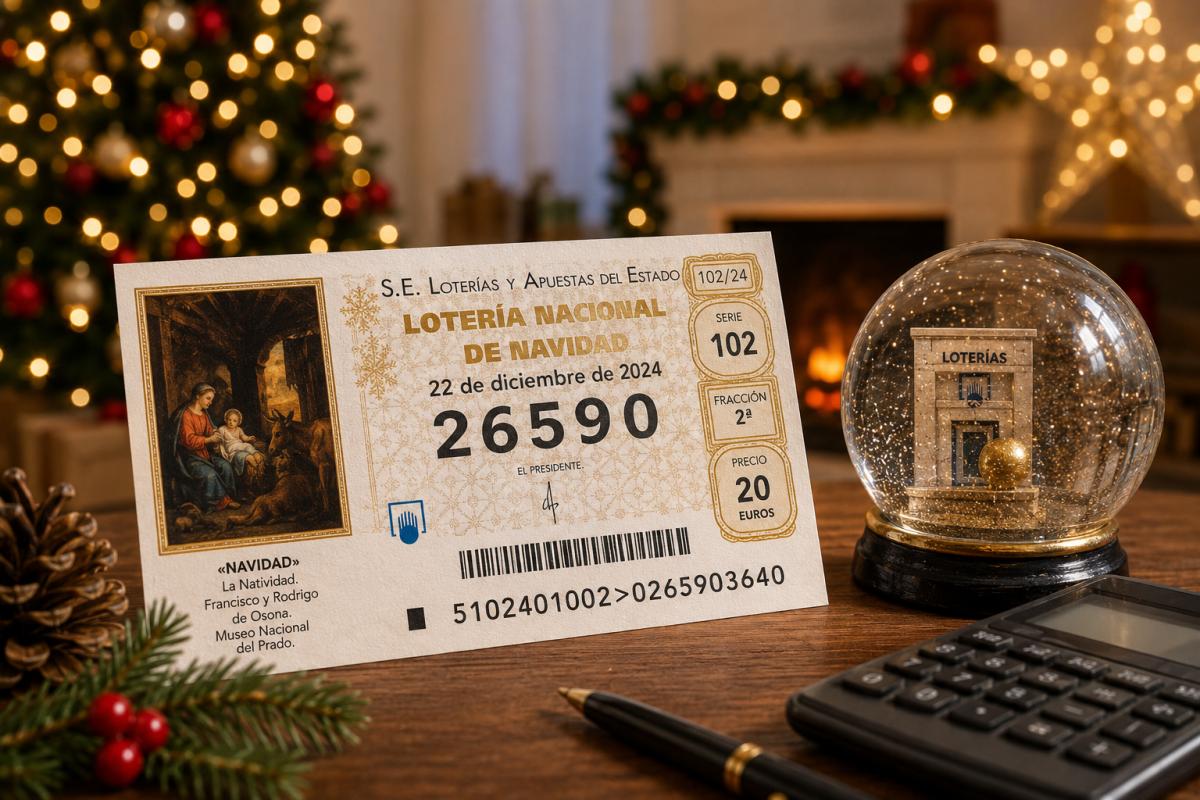
The Christmas season is often associated with excitement, celebrations and the hope of winning a prize in the famous Spanish Christmas Lottery.
However, receiving a substantial lottery prize is not only a matter of luck. It also involves important tax considerations that winners should understand before collecting their winnings.
For individuals who are tax residents in Andorra, understanding how Spanish lottery prizes are taxed is essential to avoid unnecessary tax burdens and ensure compliance with applicable regulations.
How Are Lottery Prizes Taxed in Spain?
Prizes awarded by the Spanish State Lottery and Betting Authority are subject to a special tax regime.
Currently, the first €40,000 of any prize is exempt from taxation. Only the portion exceeding this threshold is subject to tax.
For example, if a winning ticket receives the top Christmas Lottery prize of €400,000, only €360,000 will be subject to taxation.
Shared Lottery Tickets
Special attention should be paid to jointly owned lottery tickets.
Where a winning ticket is shared among several individuals, the €40,000 exemption does not apply collectively. Instead, it must be allocated proportionally among all co-owners according to their respective share of the prize.
As a result, each beneficiary must calculate their own taxable amount individually.
Applicable Tax Rate
The taxable portion of lottery prizes is subject to a flat tax rate of 20%.
In practice, the lottery organiser is required to withhold this tax directly before paying the prize to the winner.
Consequently, winners receive the net amount after the tax has already been deducted.
What If I Am a Tax Resident in Andorra?
This is one of the most common questions raised by Andorran residents.
To avoid situations of double taxation, Andorra and Spain have signed a Double Tax Treaty (DTT).
Although the treaty does not specifically regulate lottery prizes, it contains a provision governing income not expressly covered elsewhere. Under this rule, such income is generally taxable only in the country of tax residence of the recipient.
What Does This Mean for Andorran Tax Residents?
Under the Double Tax Treaty, lottery prizes received by tax residents of Andorra should generally be taxable exclusively in Andorra.
Therefore, the prize would fall within the scope of Andorran Personal Income Tax rules, which currently provide for a maximum tax rate of 10%.
Nevertheless, Spanish domestic legislation still requires the paying entity to apply a 20% withholding tax when distributing lottery prizes.
How Can the Spanish Tax Withholding Be Recovered?
To recover the amount withheld in Spain, the taxpayer must submit a refund claim to the Spanish tax authorities.
The claimant will need to provide evidence of Andorran tax residency, usually through an official tax residency certificate issued by the Andorran authorities.
With proper documentation and professional advice, it is generally possible to recover the tax withheld incorrectly under the provisions of the Double Tax Treaty.
Conclusion
Winning the Christmas Lottery is undoubtedly good news, but it is important to understand the tax consequences that may arise.
Tax residents in Andorra should carefully assess the interaction between Spanish tax rules and the Double Tax Treaty to ensure the prize is taxed correctly and to recover any withholding taxes that should not ultimately apply.
¿Necesitas asesoramiento?
Nuestro equipo está listo para ayudarte.